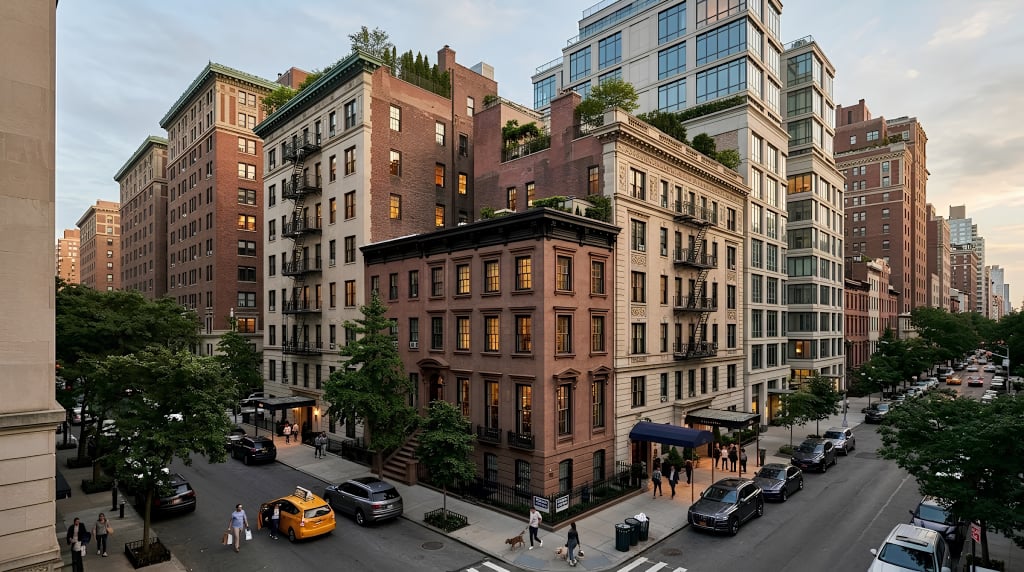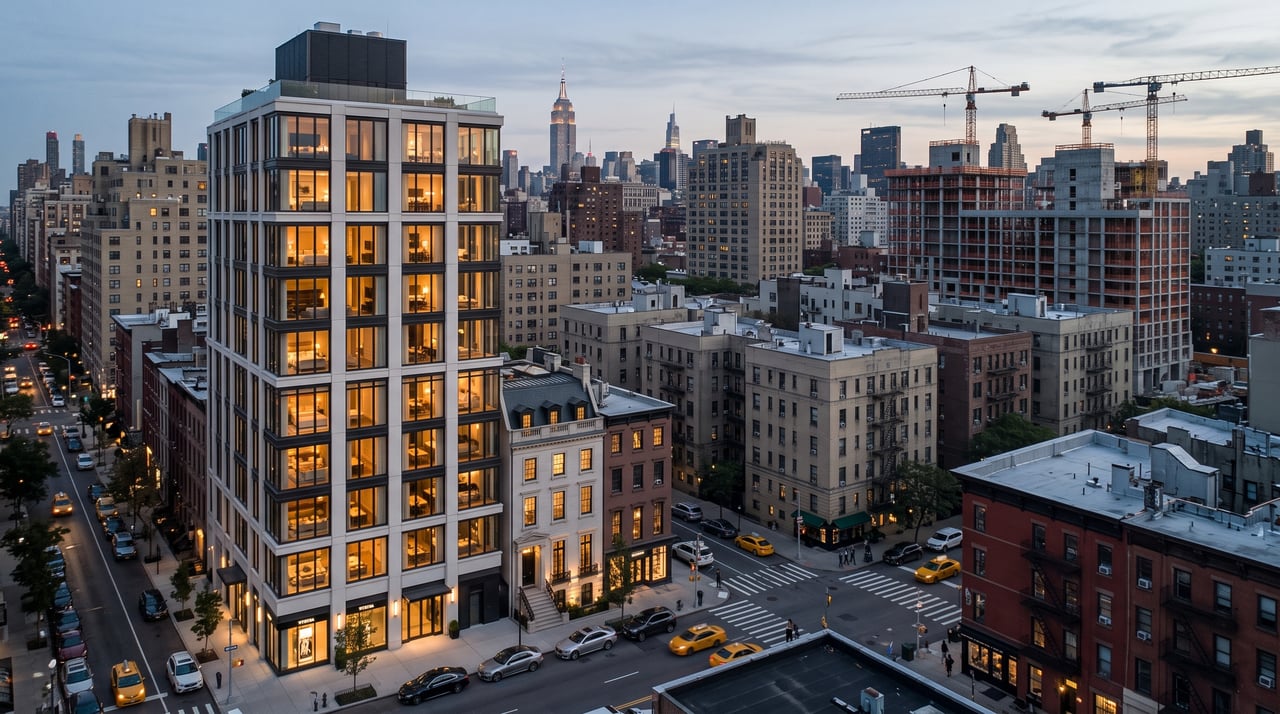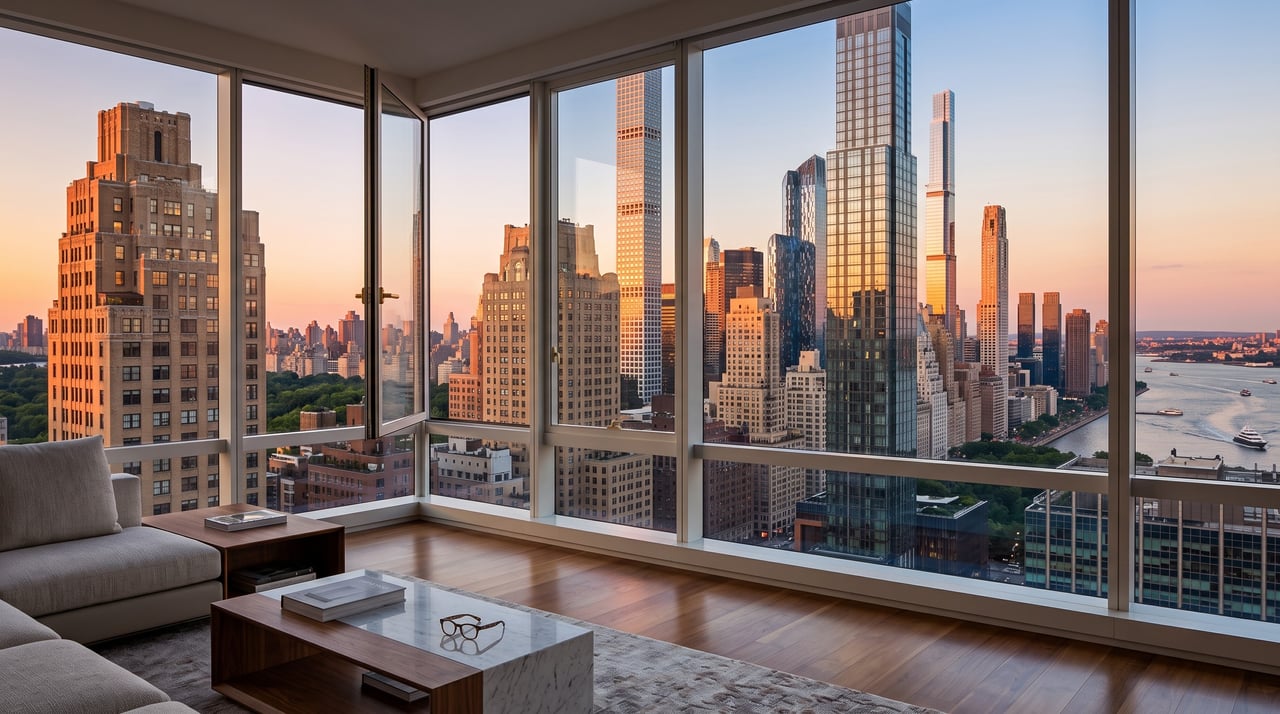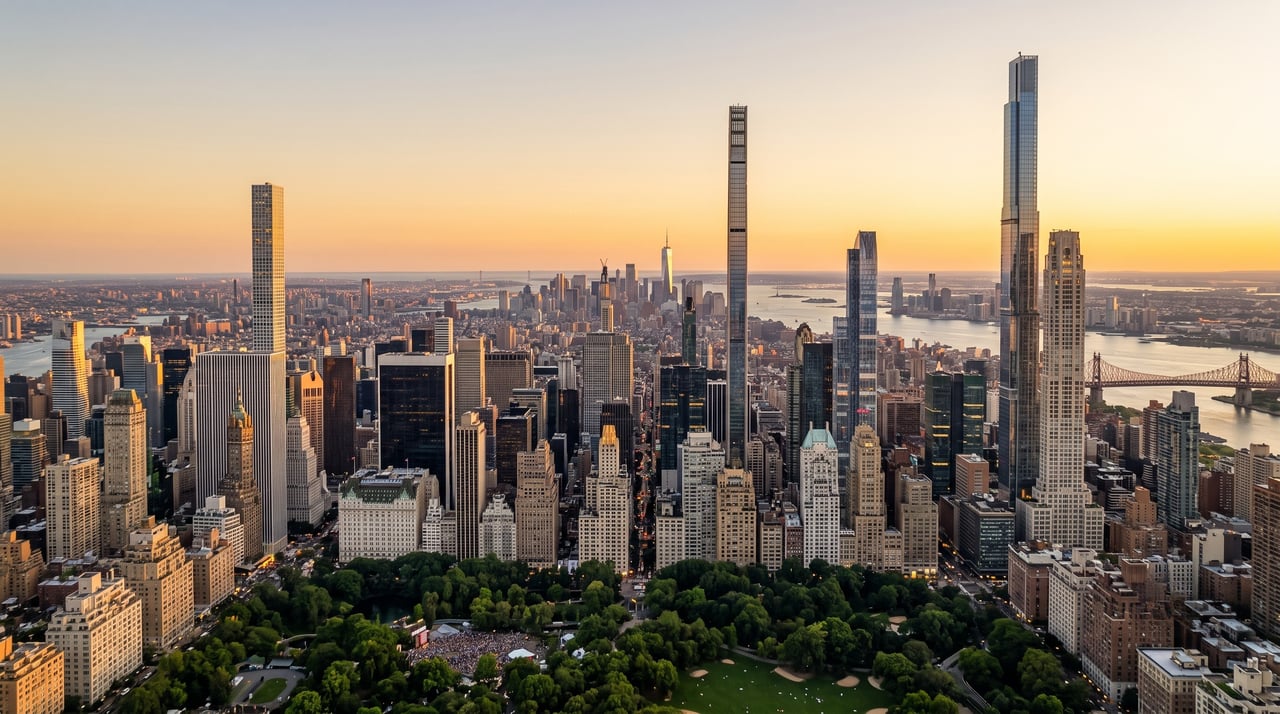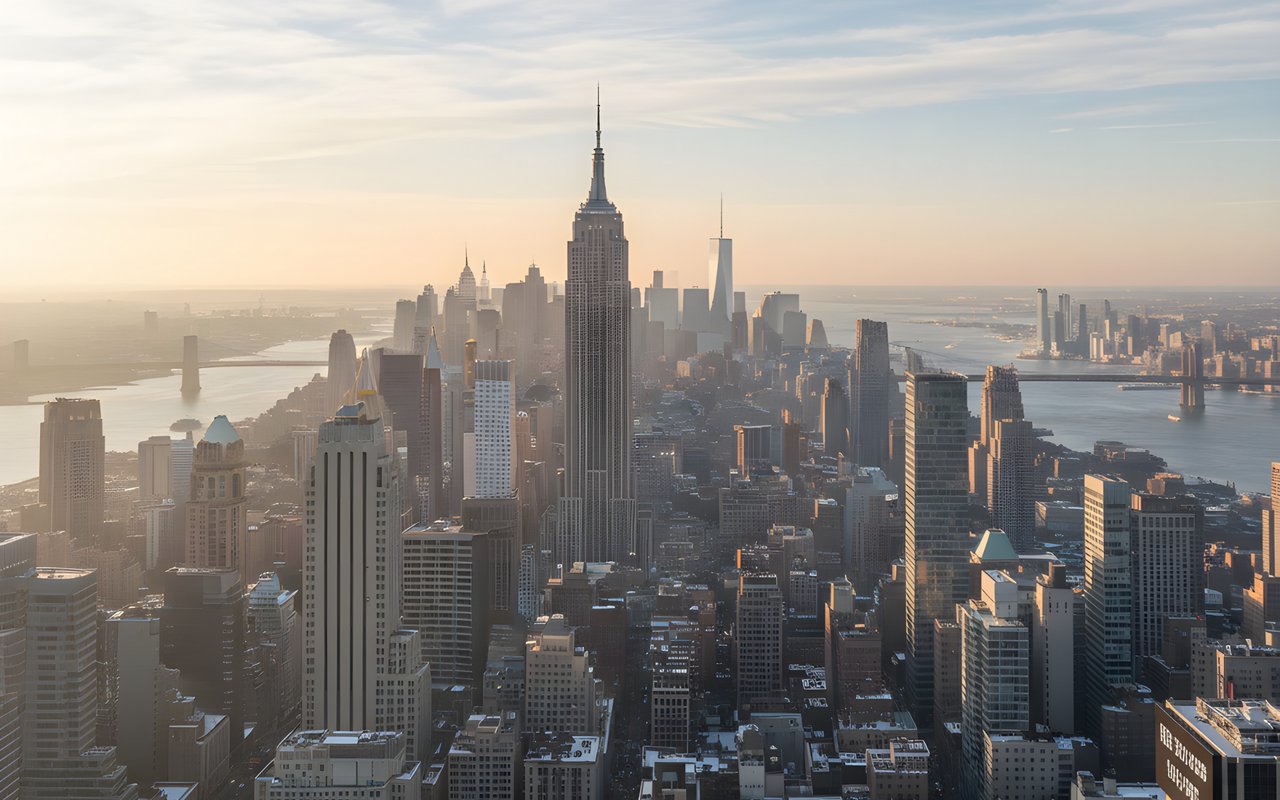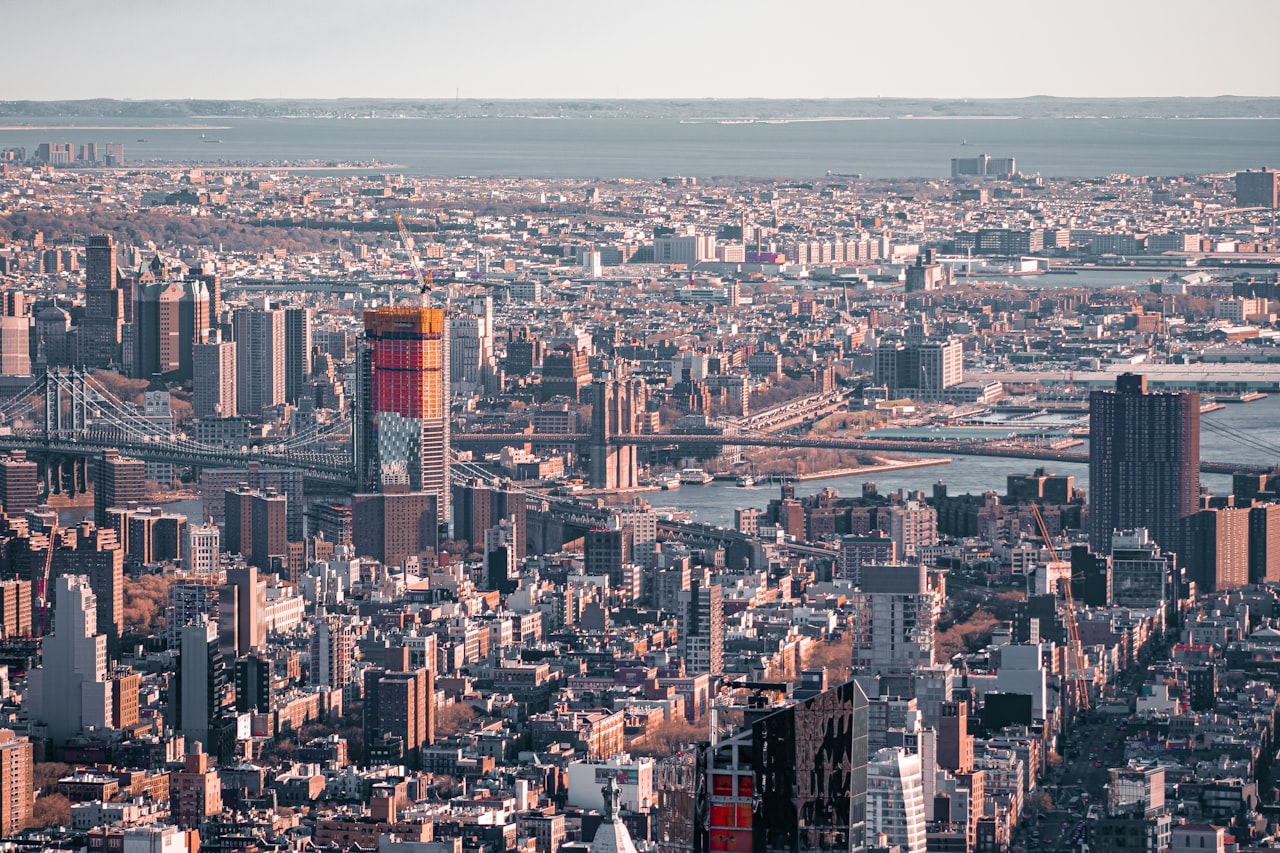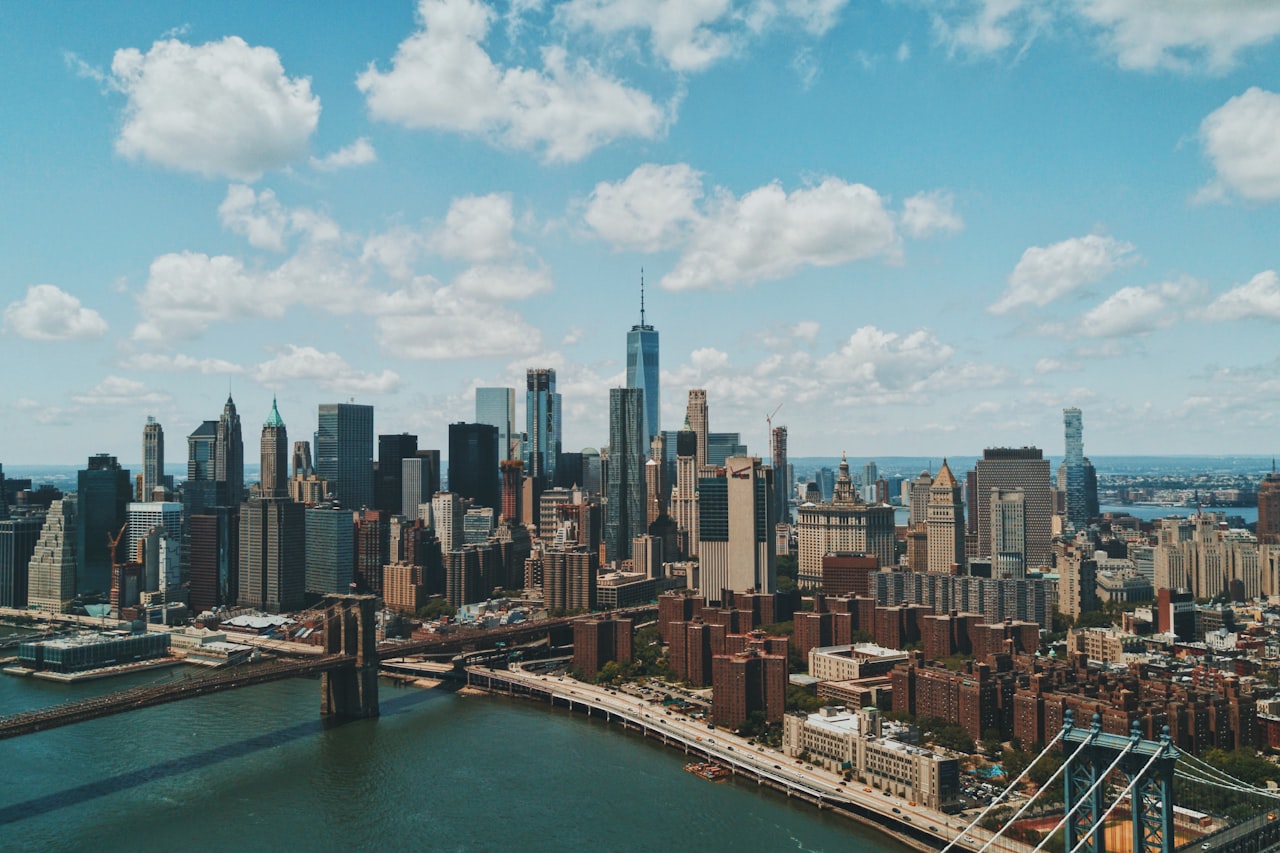
October brought renewed momentum to the New York City real estate market, as buyers returned following September's surge in new listings. Contract activity picked up significantly across Manhattan and Brooklyn, signaling renewed demand despite elevated mortgage rates and continued economic uncertainty. However, buyers remain selective, and pricing strategy continues to play a critical role in how quickly properties sell.
In Manhattan, signed contracts nearly doubled compared to September, while Brooklyn experienced a 42% month-over-month increase in contract activity. Despite this renewed interest, buyers are negotiating more aggressively, with the median listing discount widening to approximately 4.5% in Manhattan. Well-priced, desirable properties continue to attract attention, while overpriced listings are experiencing longer marketing times and greater pressure for price reductions.
As we enter the final stretch of 2026, the market presents opportunities for both buyers and sellers. Buyers are benefiting from increased inventory and greater negotiating leverage, while sellers who price strategically can still achieve strong results. With the holiday season approaching, motivated buyers and sellers may find opportunities to reach agreements before year-end.
NYC's Growing Homeownership Premium: Renting vs. Buying: The financial gap between renting and buying in New York City has reached staggering levels. Elevated mortgage rates, hovering around 7%, combined with high property prices, taxes, and maintenance costs, continue to make homeownership increasingly challenging. As a result, many would-be buyers are choosing to remain renters longer, further supporting an already competitive rental market. While purchasing real estate remains an attractive long-term investment for many New Yorkers, the substantial upfront and ongoing costs are forcing buyers to weigh the financial benefits of ownership more carefully than ever.
A Tale of Two Markets: Luxury vs. the Mid-Market: New York City's real estate market is showing a growing divide between luxury buyers and those relying on mortgage financing. Manhattan's luxury sector, particularly properties priced above $4 million, continues to demonstrate remarkable resilience despite elevated interest rates. With cash buyers accounting for nearly 70% of luxury transactions, this segment remains largely insulated from borrowing costs. Meanwhile, buyers in the under-$2 million market are facing a different reality. Mortgage rates hovering between 7% and 7.5% are putting pressure on affordability, causing buyers to become more cautious and selective. Properties priced below $1 million are experiencing slower activity in certain segments, with sellers offering discounts of approximately 3.8% to 5% to attract buyers. As we head toward year-end, the contrast highlights a market where cash continues to command a significant advantage, while financing costs create greater negotiating opportunities for buyers.
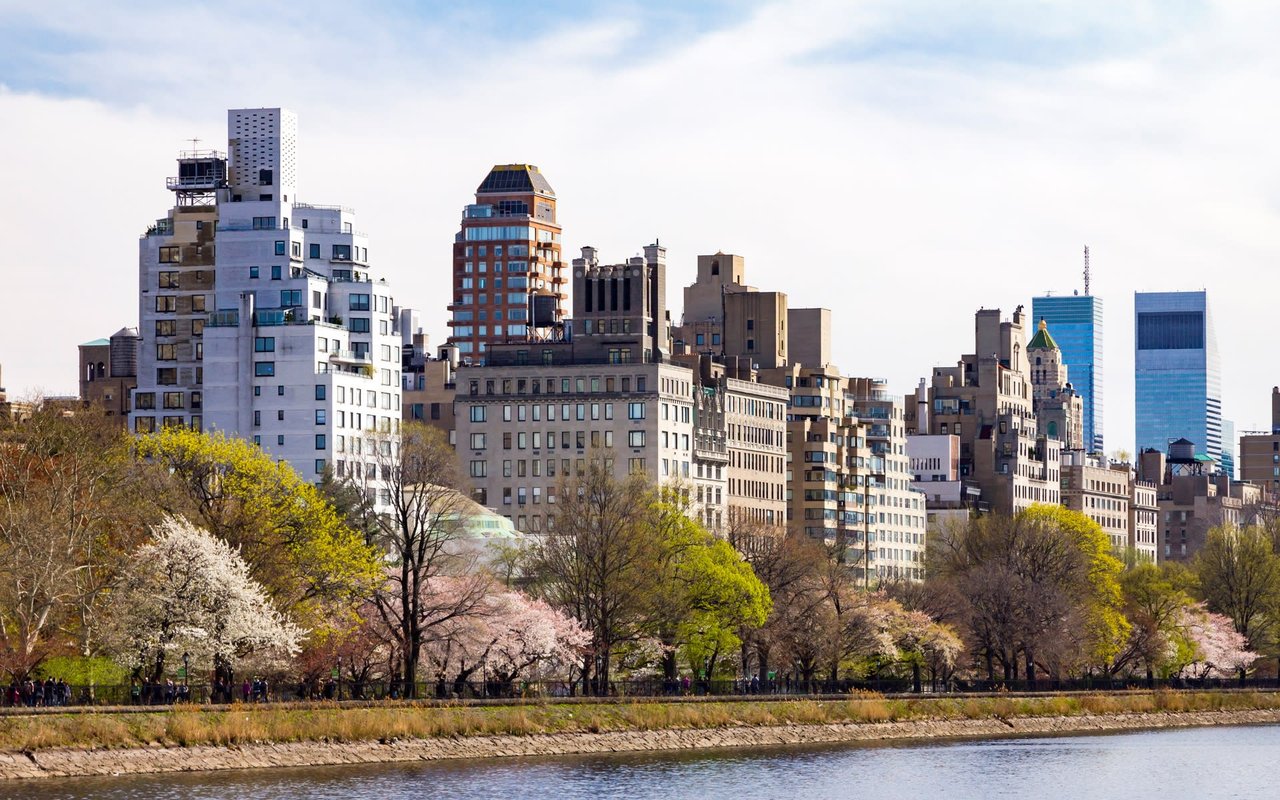
Manhattan Luxury Market Shows Strong Rebound: Manhattan's luxury real estate market remained active last week, with 34 contracts signed for properties priced at $4 million and above, just two fewer than the previous week. Condominiums continued to lead the market, outpacing co-ops and townhouses with 17 contracts signed, compared to 12 co-ops and five townhouses. In a notable shift, the Upper East Side surpassed Downtown Manhattan in signed contracts for the second consecutive week and the 10th time this year, recording 17 contracts compared to Downtown's 12. This activity highlights continued buyer interest in Manhattan's luxury market, particularly on the Upper East Side.
Rental Market The New York City rental market continued to demonstrate strength in October 2026, with average asking rents increasing year-over-year across Manhattan, Brooklyn, and Queens. Manhattan saw a 4% increase in average asking rents to $6,576, while rental inventory remained relatively unchanged. In Brooklyn, average asking rents rose 1% to $4,667, despite an 18% increase in available inventory. Queens experienced a 5% increase in average asking rents to $4,184, even as inventory surged 32% compared to the previous year. Overall, rental prices continued to trend upward across all three boroughs, with Manhattan maintaining the highest rental prices and most stable inventory levels, while Brooklyn and Queens experienced significant increases in available supply.
Check out our video post here on why the highest rent doesn’t always equal the best tenant.
As always, please reach out with any questions.